
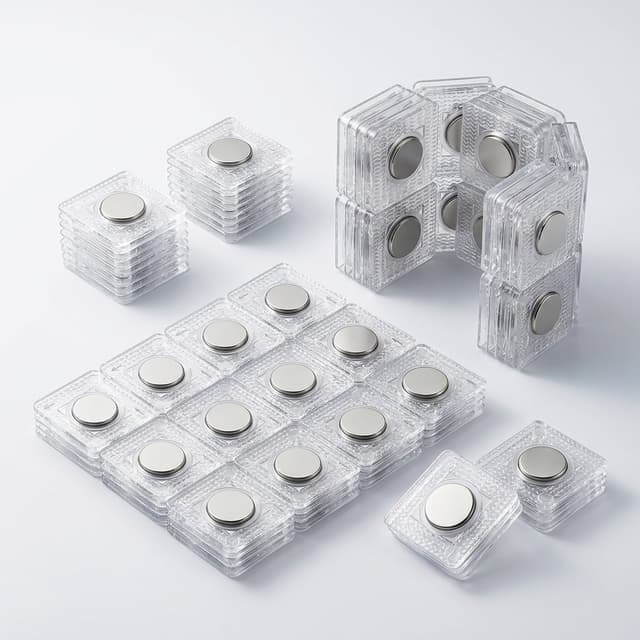
FEA Magnetic Simulation
Detailed 2D/3D magnetic field modeling before production.
Engineering teams looking to de-risk designs.
- 2D/3D model review
- Magnetic solver workflow support
- Flux density curves
Factory-side engineering and simulation capability designed for global magnetic array projects, from FEA validation to repeat production.
This section is organized around the buyer journey: magnetic simulation, sample evidence (3D Gauss map), process quality, and global delivery execution. Each topic includes practical control points for RFQ and PO governance.
Detailed 2D/3D magnetic field modeling before production.
Engineering teams looking to de-risk designs.
Rigorous physical and magnetic testing.
Procurement and QA teams requiring traceability.
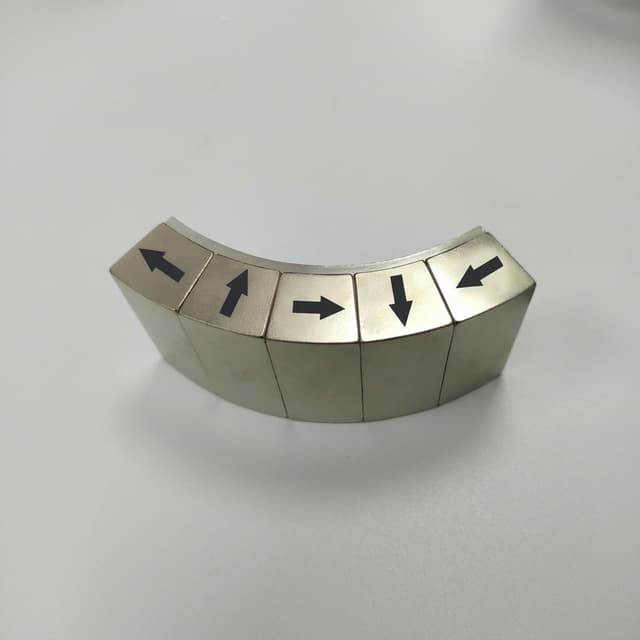
Safe, high-tolerance bonding and assembly of repulsive Halbach arrays — including non-magnetic fixture design, two-part structural epoxy and Loctite 638 retaining compound, carbon fiber wet winding for high-speed rotors, and thermal cure process control.
Supply chain managers and rotor engineers needing stable yield rates and documented assembly processes.
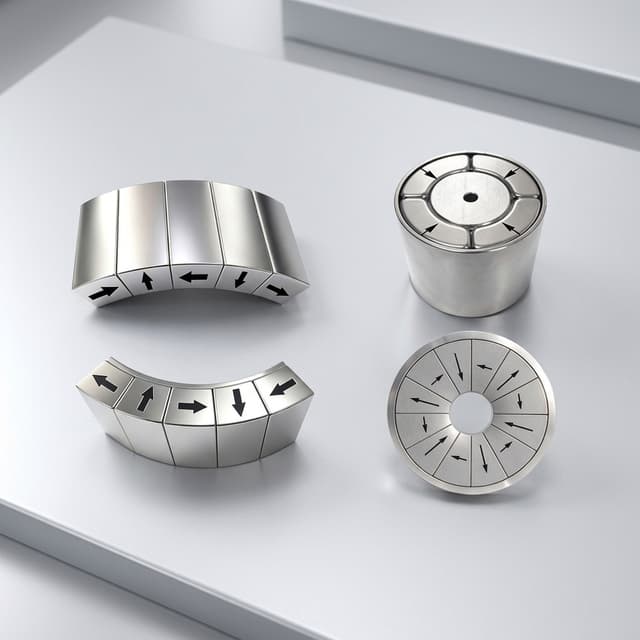
Full sintered NdFeB and SmCo processing chain — from strip casting and hydrogen decrepitation through vacuum sintering, CNC machining, multi-layer coating, and salt-spray validated corrosion protection.
Materials scientists, thermal engineers, and procurement teams selecting magnet grades for extreme environments.
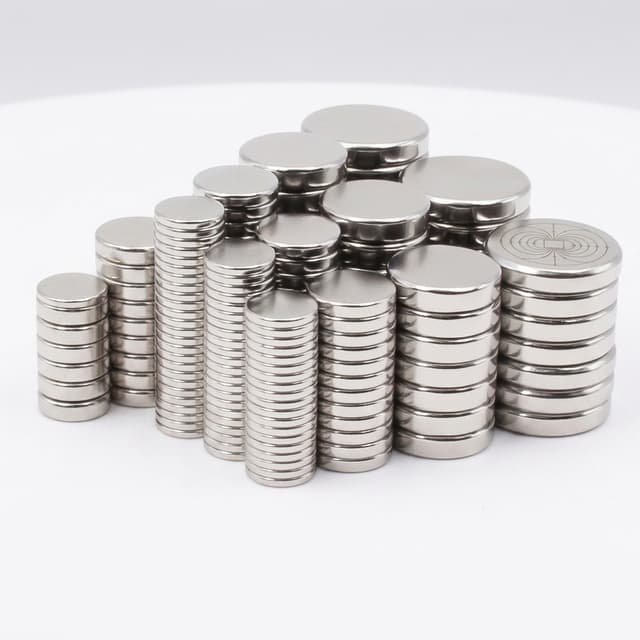
Rare-earth export control navigation, MOFCOM compliance documentation, heavy rare-earth element (Dy/Tb) traceability, and export-ready packing for global Halbach array programs.
Procurement, compliance, and program teams navigating China rare-earth export controls and cross-border sourcing risk.
| Capability | Primary Buyer Focus | Key Metric | Why It Matters |
|---|---|---|---|
| FEA Magnetic Simulation | Engineering teams looking to de-risk designs. | Simulation Accuracy: Validated against prototype mapping by project scope | Model assumptions need to be compared with real magnet grade, assembly tolerance, and measurement setup. |
| Quality & Inspection | Procurement and QA teams requiring traceability. | Angular Tolerance: ±1° to ±3° | Prevents field distortion. |
| Precision Assembly & Tooling | Supply chain managers and rotor engineers needing stable yield rates and documented assembly processes. | Bonding Shear Strength: >25 MPa (two-part structural epoxy); >20 MPa (Loctite 638 retaining compound) | Ensures magnets do not detach under extreme operational forces, vibration, or thermal cycling. |
| Magnetic Material Grades | Materials scientists, thermal engineers, and procurement teams selecting magnet grades for extreme environments. | Max Operating Temp: Up to 350°C (SmCo) / 80–230°C (NdFeB by grade) | Prevents irreversible field loss during operation and fault conditions. |
| Export Compliance Support | Procurement, compliance, and program teams navigating China rare-earth export controls and cross-border sourcing risk. | Rare-Earth Composition Screening: XRF or ICP chemical analysis report confirming Dy, Tb, and total rare-earth content per batch | Even 1–2% Dysprosium in a generic "N52" grade can trigger MOFCOM export license requirements and potential customs penalties of up to 4.5× cargo value. |
Validating a high-field requirement before RFQ? Use our 1 Tesla Halbach Array Calculator. If your project involves EV or drone motors, see our Axial Flux Halbach Array Calculator.
Engineering RFQ Inbox
Include target torque/speed, quantity, and delivery location.
Direct Engineer Chat
+8618857971991
Use for drawing, specification, and RFQ clarification.