
← Back to Solutions

Maglev Systems

Levitation arrays for transit and research.

Target Buyer:R&D and transit engineers.
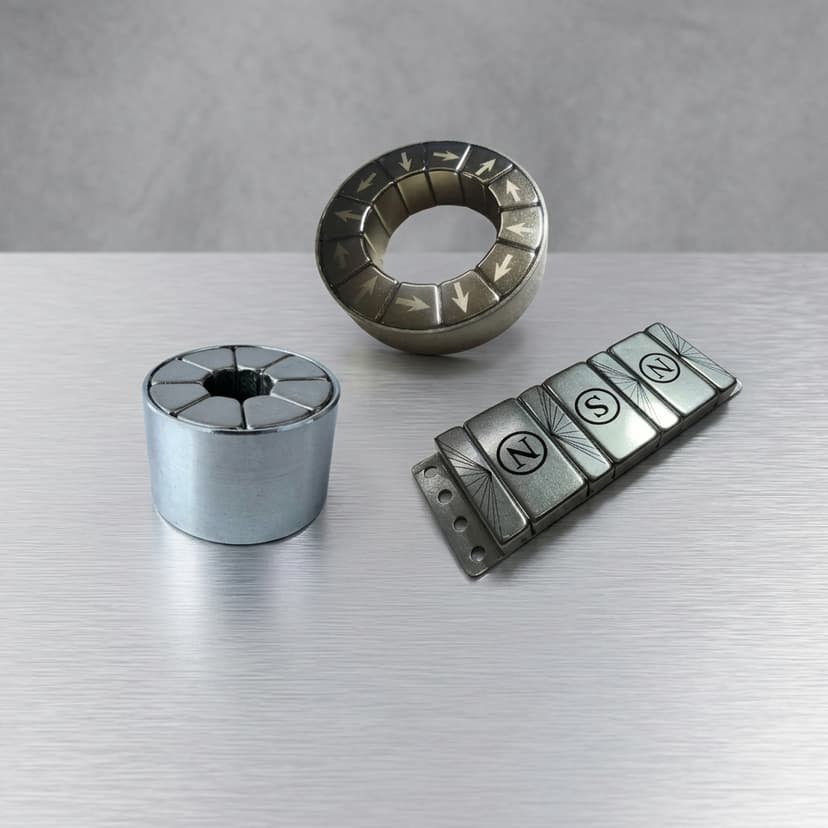
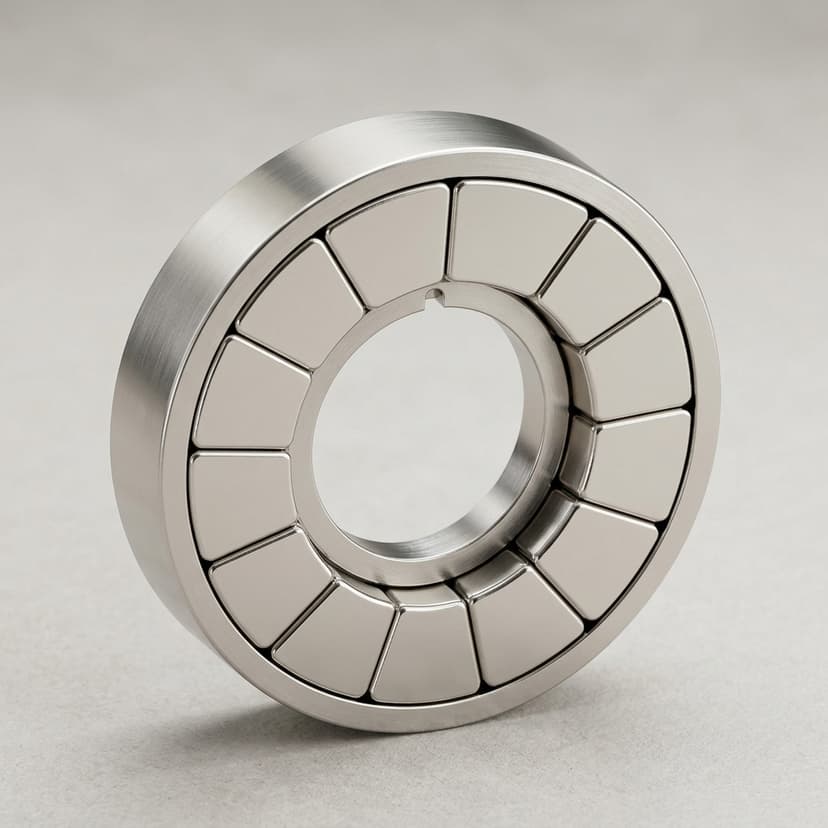
Halbach maglev track module

Best-Fit Application Use

Best fit for teams that need lift, drag, and alignment assumptions translated into modular track hardware that can be installed and tested in sections.

Solution Highlights

  • Inductrack compatibility
  • High lift-to-weight
  • Modular rail sections for prototype scaling

Common Use Cases

  • Hyperloop prototypes
  • Conveyor levitation
  • Cleanroom and laboratory test tracks

Implementation Focus

  • Lift and drag forces
  • Array stabilization
  • Conductor plate assumptions
  • Track joint alignment and installation sequence

Buyer Decision Criteria

  • Payload, gap, speed, conductor plate assumptions, and track length.
  • Module split, field continuity at joints, and installation datum design.
  • Carrier material and environmental exposure for long outdoor or lab rails.
  • Packaging and handling plan for strong magnet modules.

Factory Support Scope

  • Maglev track module assembly with matched linear Halbach sections.
  • Field mapping and module labeling before shipment.
  • CNC end plates for controlled rail joints.
  • Protective export packaging for long magnetic arrays.

Application Evaluation Matrix

Evaluation MetricTypical RangeBuyer Relevance
Lift Force DensityProject-specific by gap, speed, and conductor designSets the expected payload capacity per active area.
Lift-to-Drag RatioDepends on speed, conductor design, and gapIt determines how much propulsion effort is lost to magnetic drag during levitation.
Joint AlignmentDefined by rail datum and vehicle gapMisaligned joints can produce unstable force readings and mechanical clearance issues.

RFQ Preparation Checklist

  1. Levitation gap and payload mass
  2. Target speed, track length, and module split
  3. Conductor plate material, thickness, and cooling assumptions
  4. Outdoor, cleanroom, or laboratory environmental exposure

Risk and Mitigation

  • Mechanical stress: FEA stress analysis.
  • Lift estimate built on wrong conductor assumptions: Review conductor material, thickness, gap, and speed together before final magnet layout.
  • Unsafe handling of long strong-magnet modules: Use modular packaging, installation labeling, and non-magnetic separators.

Validation Deliverables

  • Module field map and joint dimension check.
  • Magnet grade and orientation record.
  • Carrier drawing review notes.
  • Installation sequence labeling when required.

RFQ to Delivery Flow

  1. Send lift target, speed, gap, track length, conductor design, and installation constraints.
  2. We confirm module design, handling, and packaging before prototype production.
  3. Prototype rail data is used to refine field continuity and joint controls.
  4. Production ships as matched, labeled sections.

Recommended Products

Prototype Halbach maglev rail
Halbach magnetic levitation array
Halbach maglev train module

Buyer FAQ

Can you map large tracks?

Yes, using 3D mapping gantries.

Can you supply only prototype track sections?

Yes. Many programs start with short matched modules for lift, drag, and installation testing before longer track orders.

What is the first design input for maglev arrays?

Start with payload, target gap, speed range, conductor design, and available rail envelope.

Related Resources

Engineering RFQ Inbox

[email protected]

Include target torque/speed, quantity, and delivery location.

Direct Engineer Chat

WhatsApp Engineering Support

Use for drawing, specification, and RFQ clarification.