← Back to Products

Magnetic Couplings

Contactless torque transmission modules using Halbach technology.

Target Buyer:Fluid dynamics engineers and industrial equipment designers.
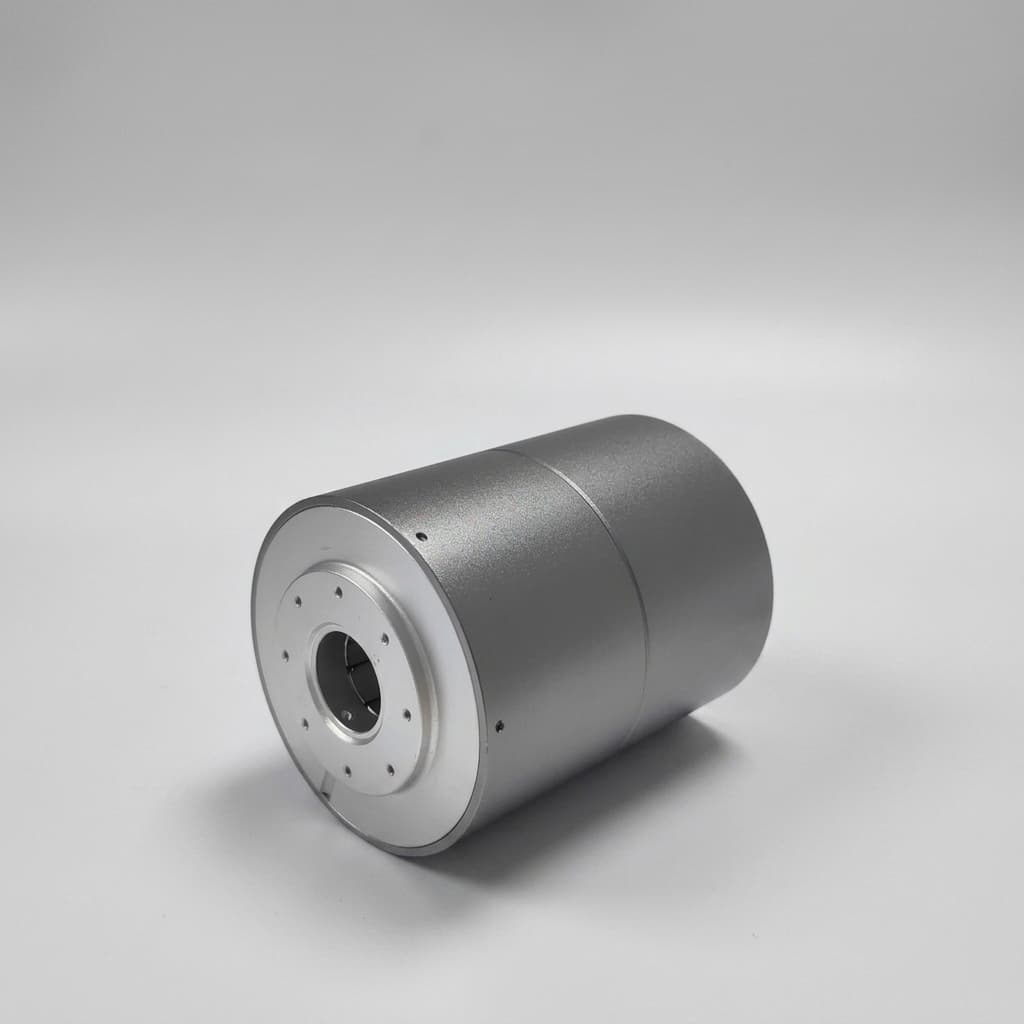
Halbach magnetic coupling module

Best-Fit Procurement Use

Best fit for equipment builders replacing mechanical shaft seals or wear-prone couplings with a contactless torque module that still needs predictable slip torque.

Capability Highlights

  • Hermetic sealing capability
  • No contact wear between magnetic rotors
  • Inherent overload protection

Typical Applications

  • Sealed pumps
  • Chemical processing
  • Food & Pharma

Engineering Focus

  • Slip torque calibration
  • Air gap distance
  • Chemical resistance of enclosure

Buyer Decision Criteria

  • Required torque, coupling diameter, axial length, and operating gap.
  • Barrier can material, chemical exposure, and temperature range.
  • Slip torque target and overload behavior.
  • Eddy-current heating risk in conductive separation barriers.
Factory Capability

  • Inner and outer magnetic rotor assemblies using radial or axial Halbach layouts.
  • Magnet grade and coating selection for wet, chemical, or sealed environments.
  • Torque and gap feasibility review before fixture and tooling commitment.
  • Bonding, sleeve, and potting controls for long-life rotating service.

Key Evaluation Matrix

MetricTypical RangeWhy It Matters
Torque DensityProject-specific by gap, magnet volume, and barrierAllows coupling size to be reviewed against the required slip torque and containment barrier.
Operating Gap SensitivityDefined by barrier thickness and torque targetTorque capacity drops quickly when the air gap or containment barrier increases.
Slip TorqueCalibrated to protect pump or drive train limitsPredictable slip behavior turns the coupling into overload protection rather than a failure point.

RFQ Checklist

  1. Required transmission torque (N·m)
  2. Operating gap
  3. Environmental conditions (chemicals, temp)
  4. Barrier can material, speed, slip torque target, and sealing constraints

Risk Controls

  • Eddy current heating: Use of non-conductive or laminated barrier materials.
  • Torque shortfall after enclosure design changes: Lock barrier material, wall thickness, gap, and temperature before magnetic rotor tooling.
  • Corrosion or chemical attack: Match coating, sleeve, potting, and packaging to the fluid and cleaning environment.

Validation Deliverables

  • Magnetic assembly drawing and magnetization pattern confirmation.
  • Field profile or torque estimate by agreed operating gap.
  • Critical dimension and concentricity inspection.
  • Material, coating, and adhesive trace notes.

RFQ to Delivery Flow

  1. Send torque, speed, gap, barrier material, fluid exposure, temperature, and quantity.
  2. We check torque density, gap sensitivity, and heating risk before prototype scope.
  3. Prototype testing aligns slip behavior with the customer system model.
  4. Production controls focus on concentricity, grade consistency, and corrosion protection.

Product Gallery

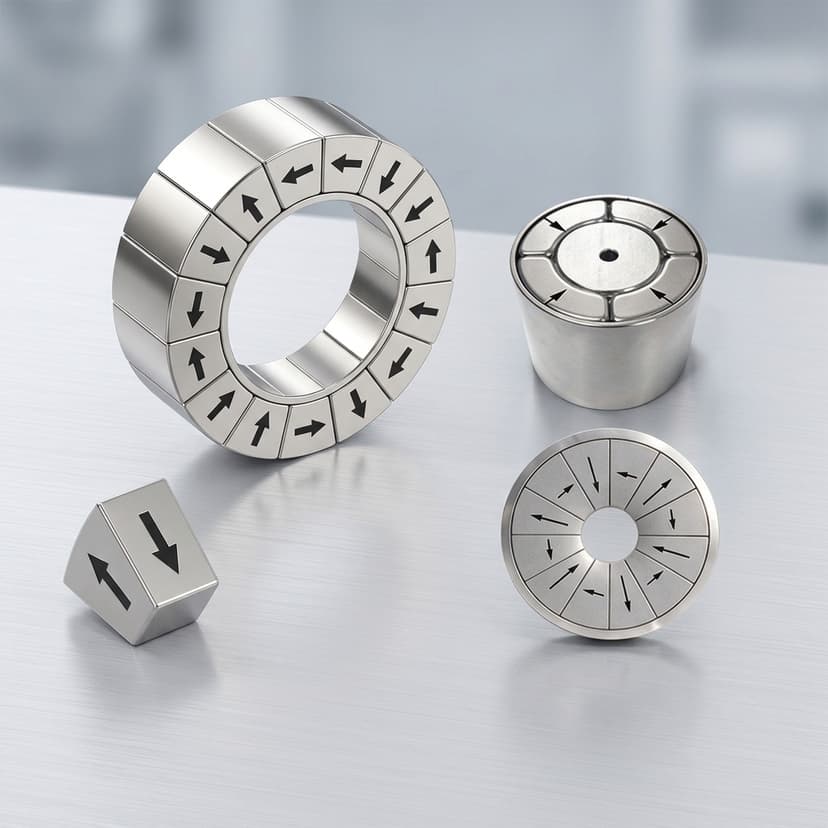
Halbach magnetic coupling rotor
Axial Halbach array coupling
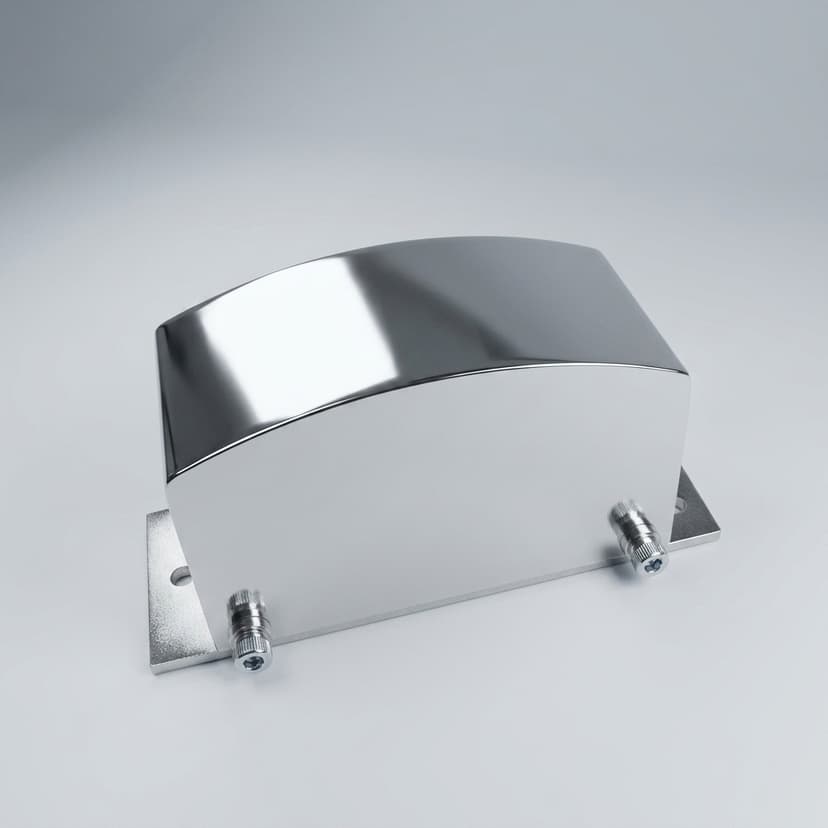
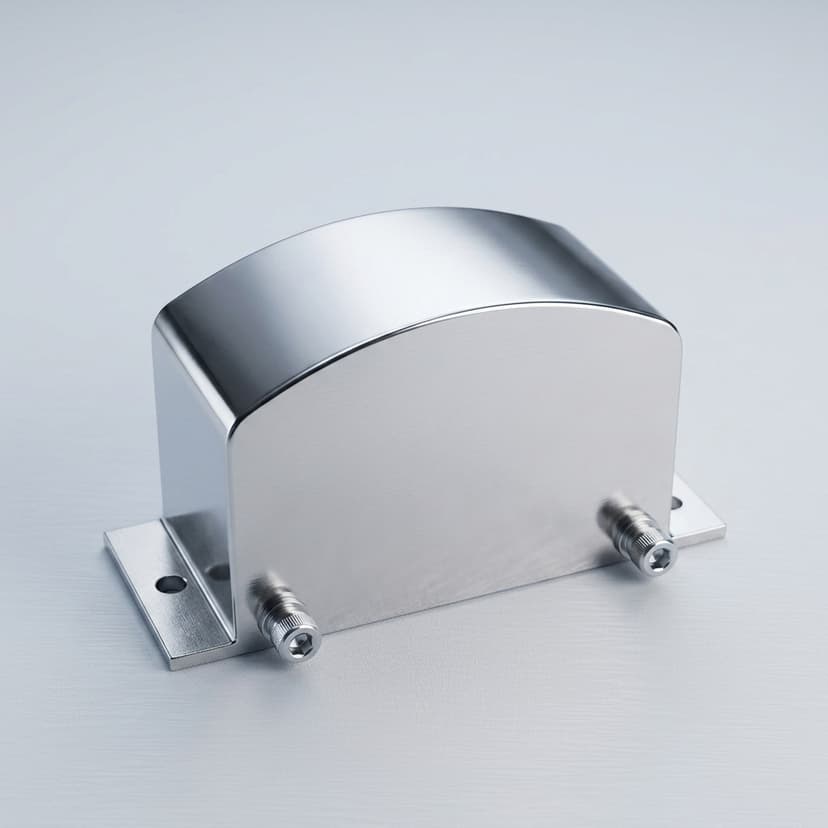
Curved Halbach magnetic coupling assembly
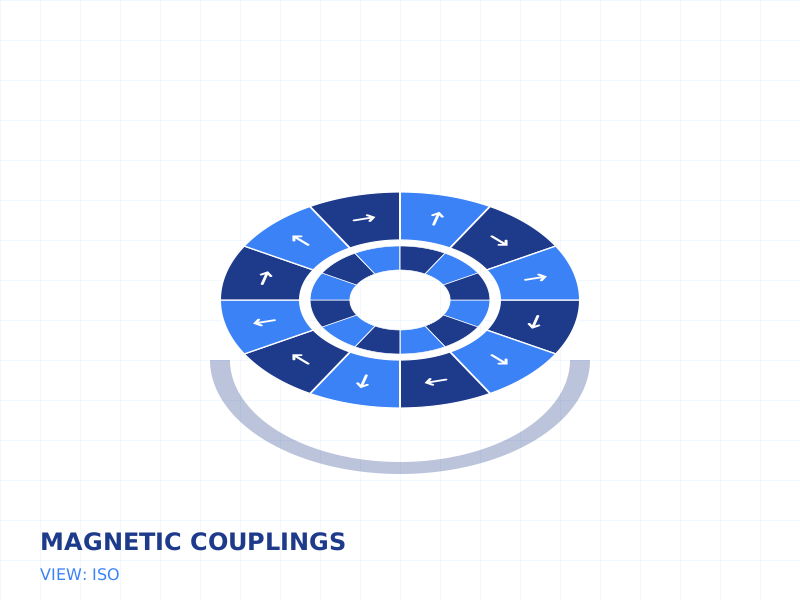
Magnetic coupling isometric engineering illustration
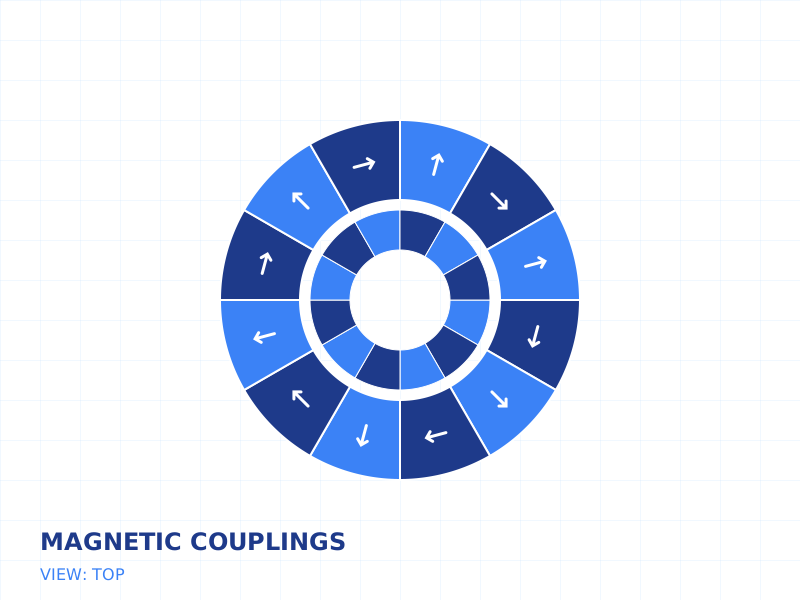
Magnetic coupling top-view pole layout

Buyer FAQ

Do you design the coupling enclosures as well?

We manufacture the magnetic rotors. Enclosures are typically co-designed with the client.

What inputs are needed for torque review?

Share torque, speed, gap, barrier material and thickness, fluid exposure, temperature, and duty cycle.

Can the coupling act as overload protection?

Yes. Slip torque can be treated as a design target when the operating envelope and safety margin are defined early.

Related Resources

Engineering RFQ Inbox

[email protected]

Include target torque/speed, quantity, and delivery location.

Direct Engineer Chat

WhatsApp Engineering Support

Use for drawing, specification, and RFQ clarification.