
← Back to Solutions

Flywheel Energy Storage

High-speed rotors and magnetic lift for energy storage systems.

Target Buyer:Energy storage systems designers.
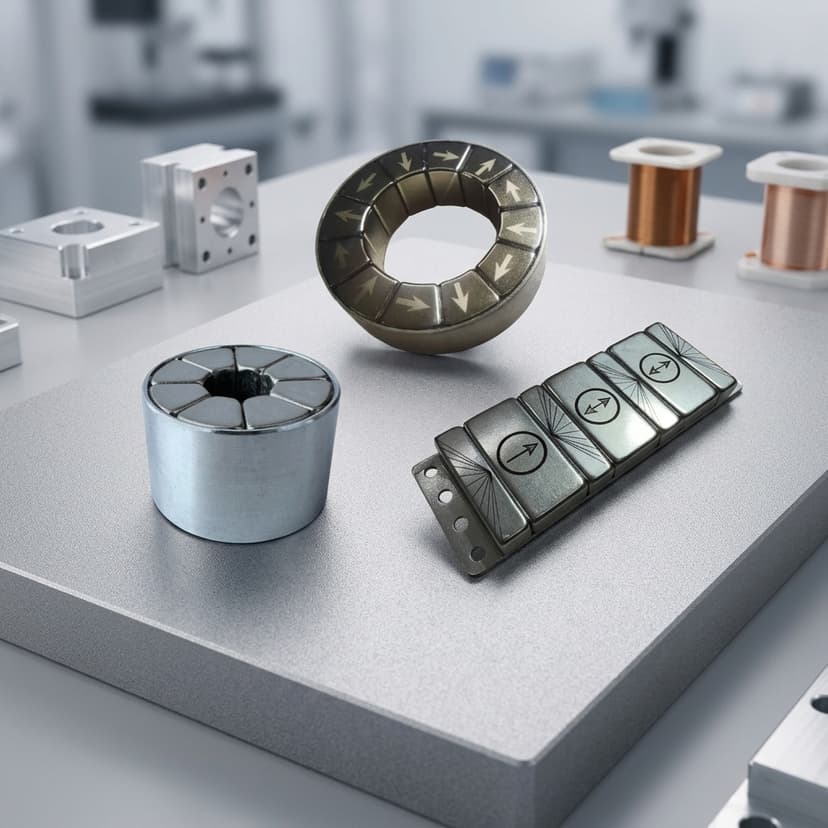
Halbach array flywheel rotor

Best-Fit Application Use

Best fit for storage teams that need low-loss magnetic components and high-speed rotor assemblies with retention, balance, and vacuum considerations.

Solution Highlights

  • Minimized standby losses
  • High-speed retention
  • Vacuum-aware material and coating choices

Common Use Cases

  • Grid stabilization
  • UPS systems
  • Laboratory flywheel prototypes

Implementation Focus

  • Vacuum compatibility
  • Centrifugal stress
  • Magnetic lift versus rotor retention tradeoff
  • Outgassing and balance evidence

Buyer Decision Criteria

  • Rotor speed, energy target, OD, sleeve material, and vacuum requirements.
  • Thermal and demagnetization margin at speed and during fault conditions.
  • Balance grade, runout, and critical speed constraints.
  • Outgassing, coating, and packaging requirements.
Factory Support Scope

  • Halbach rotor and ring assembly for high-speed programs.
  • Carbon fiber, titanium, or stainless retention options by design scope.
  • High-temperature NdFeB or SmCo grade review.
  • Inspection support for balance, runout, and field output.

Application Evaluation Matrix

Evaluation MetricTypical RangeBuyer Relevance
Standby LossSystem-specific; reviewed with vacuum and bearing designStandby loss is driven by the full flywheel system, not the magnet assembly alone.
Balance GradeG2.5 or G1.0 when specifiedImbalance increases bearing load and can dominate high-speed flywheel risk.
Vacuum CompatibilityDefined by coating, adhesive, and cleaning processOutgassing or contamination can undermine vacuum performance and lifetime.

RFQ Preparation Checklist

  1. Rotor OD and target kinetic energy
  2. Maximum RPM, vacuum level, and operating temperature
  3. Sleeve material preference and balance grade
  4. Magnetic bearing or lift-ring geometry and acceptance tests

Risk and Mitigation

  • Outgassing: Vacuum-compatible coatings.
  • Sleeve or magnet stress failure at speed: Review rotor OD, RPM, tip speed, sleeve material, and thermal condition before prototype approval.
  • Demagnetization during fault events: Select high-Hcj grades and define fault temperature or current exposure assumptions.

Validation Deliverables

  • Rotor dimension and runout inspection.
  • Field profile or air-gap flux support.
  • Material grade, sleeve, adhesive, and coating records.
  • Balance report when included in scope.

RFQ to Delivery Flow

  1. Send speed, rotor envelope, energy target, vacuum level, temperature, and quantity.
  2. We check material, sleeve, and magnetic configuration before prototype quote.
  3. Prototype approval locks retention and inspection requirements.
  4. Production packaging protects both magnetic force and precision surfaces.

Recommended Products

High-speed Halbach rotor for flywheel systems
Halbach magnetic bearing for flywheel support

Buyer FAQ

Do you provide the carbon wrap?

Yes, carbon fiber sleeving is available.

What makes flywheel magnet assemblies different from motor rotors?

Flywheel programs usually add stricter vacuum, balance, retention, and standby-loss constraints to the normal rotor review.

Can you support magnetic bearing components for flywheels?

Yes. Halbach rings and rotor assemblies can be reviewed together when lift, stability, and high-speed retention are part of one system.

Related Resources

Engineering RFQ Inbox

[email protected]

Include target torque/speed, quantity, and delivery location.

Direct Engineer Chat

WhatsApp Engineering Support

Use for drawing, specification, and RFQ clarification.