
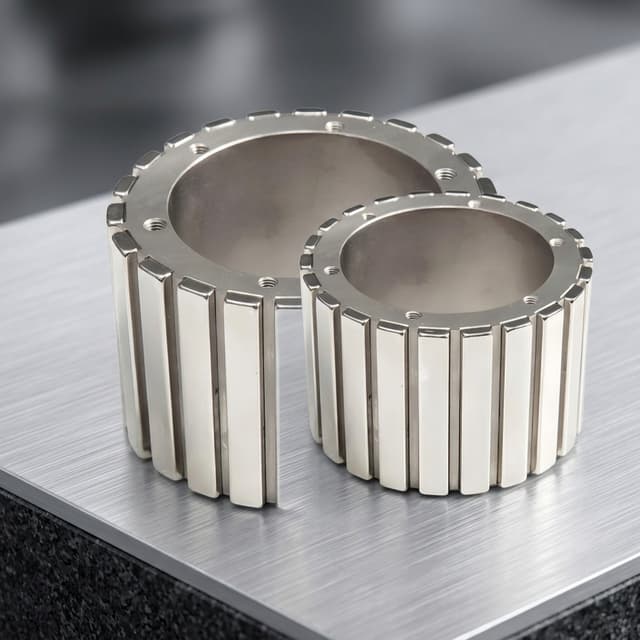
Linear Motors
Halbach arrays integrated into linear direct-drive systems.
Motion control systems engineers.
- Higher thrust density
- Lower moving mass
- Lower cogging and force ripple
Select application scenarios to review recommended magnetic architectures, feasibility, and custom engineering support.
Each application page is written for R&D and engineering teams: what to simulate first, where assembly risk usually appears, and what boundary conditions should be included in the initial RFQ to avoid quote loops.
Halbach arrays integrated into linear direct-drive systems.
Motion control systems engineers.
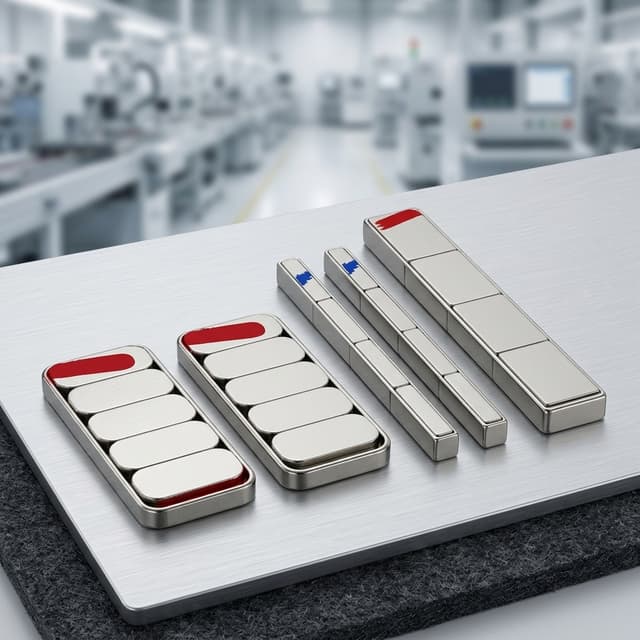
Levitation arrays for transit and research.
R&D and transit engineers.
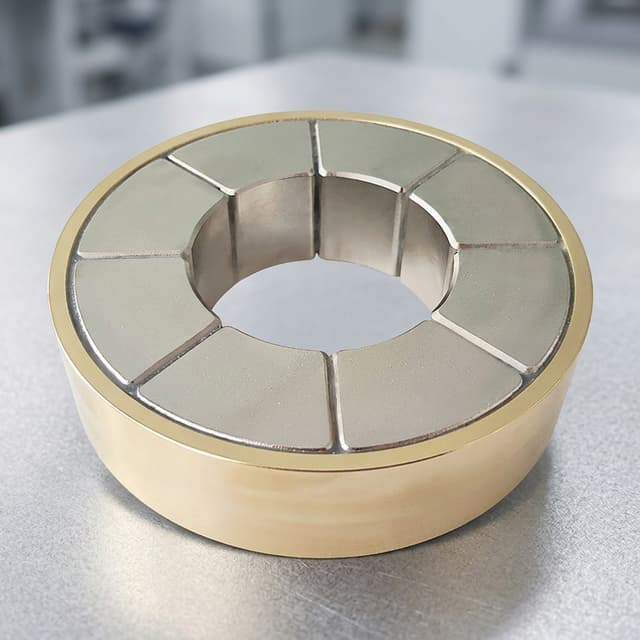
Passive and active magnetic levitation for frictionless rotation.
Turbomachinery engineers.
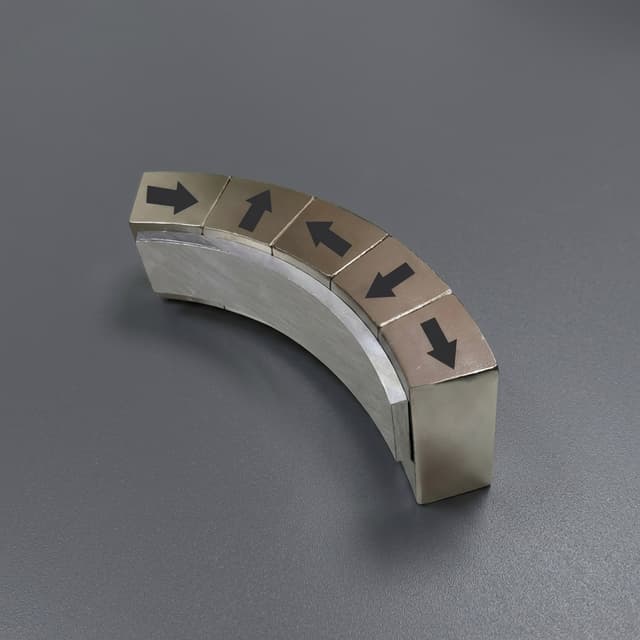
High-speed rotors and magnetic lift for energy storage systems.
Energy storage systems designers.
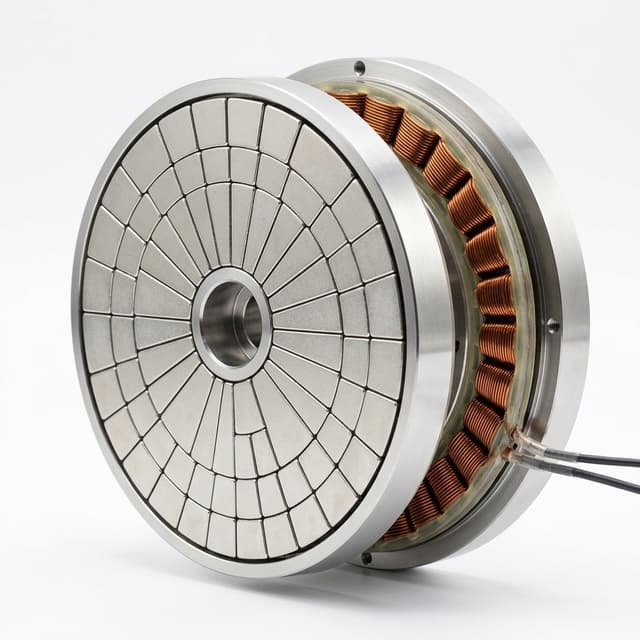
Halbach rotors for high-efficiency rotary electric machines.
Motor design engineers.
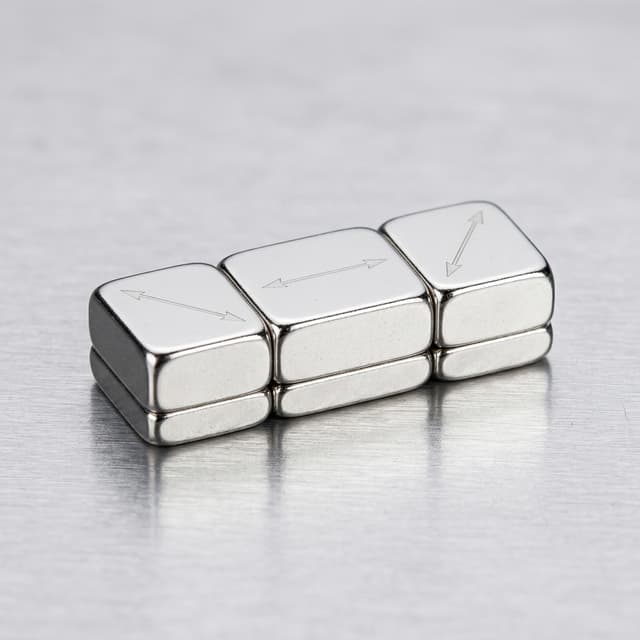
Ultra-uniform magnetic cylinders for resonance imaging and spectroscopy.
Medical device and analytical instrument developers.

Beam guidance and focusing magnetic assemblies.
Beamline scientists.
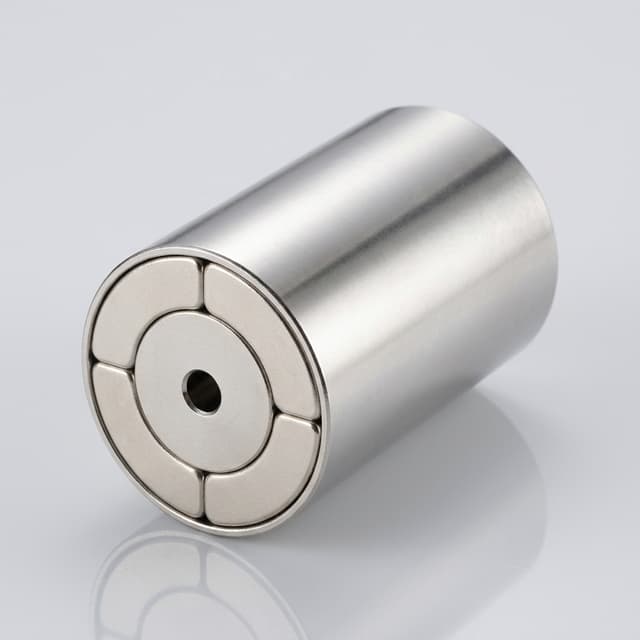
Compact, high-torque assemblies for robotic joints and effectors.
Robotics hardware engineers.
High-bandwidth, direct-drive linear motion using Halbach arrays.
Precision automation and photonics engineers.
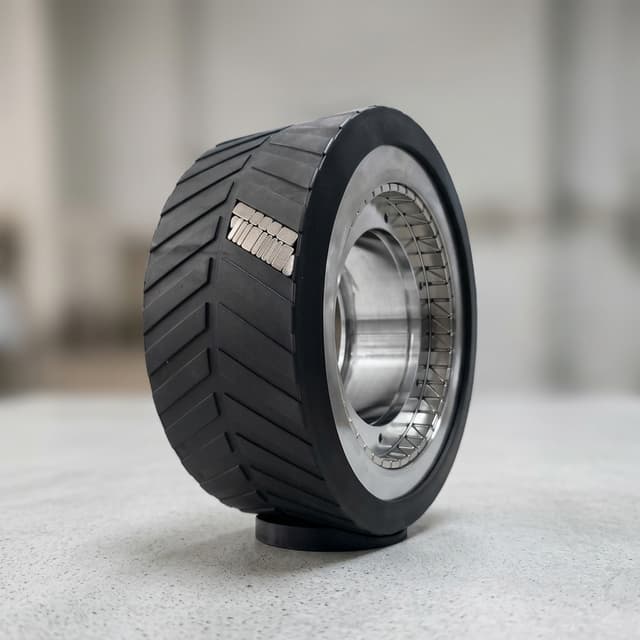
Frictionless, wear-free magnetic braking and retardation systems.
Safety and dynamics engineers.
| Solution | Primary Buyer Focus | Key Metric | Why It Matters |
|---|---|---|---|
| Linear Motors | Motion control systems engineers. | Thrust Constant: Custom | Determines acceleration. |
| Maglev Systems | R&D and transit engineers. | Lift Force Density: Project-specific by gap, speed, and conductor design | Sets the expected payload capacity per active area. |
| Magnetic Bearings | Turbomachinery engineers. | Bearing Stiffness: Custom | Determines stability. |
| Flywheel Energy Storage | Energy storage systems designers. | Standby Loss: System-specific; reviewed with vacuum and bearing design | Standby loss is driven by the full flywheel system, not the magnet assembly alone. |
| BLDC Motors & Generators | Motor design engineers. | Power Density: Set by motor topology, cooling, RPM, and rotor mass | Power density depends on the complete motor design, so magnet review must stay tied to stator and thermal assumptions. |
| NMR & MRI | Medical device and analytical instrument developers. | Homogeneity: <100 ppm | Defines image resolution. |
| Particle Accelerators | Beamline scientists. | Field Error: <0.1% | Prevents beam scattering. |
| Robotics & Actuators | Robotics hardware engineers. | Torque/Volume: High | Enables compact joint design. |
| Voice Coil Actuators | Precision automation and photonics engineers. | Bandwidth: Project-specific by stroke, moving mass, and coil design | Determines the practical frequency of reciprocating motion for the full actuator. |
| Eddy Current Brakes | Safety and dynamics engineers. | Braking Force: Scalable by magnet area, conductor design, speed, and gap | Defines the expected stopping power without physical contact under the target speed curve. |
Designing a high-field application? Evaluate mathematical feasibility using our 1 Tesla Halbach Array Calculator, or explore rotor flux concentration with our Axial Flux Halbach Array Calculator.
Engineering RFQ Inbox
Include target torque/speed, quantity, and delivery location.
Direct Engineer Chat
+8618857971991
Use for drawing, specification, and RFQ clarification.