
← Back to Solutions

BLDC Motors & Generators

Halbach rotors for high-efficiency rotary electric machines.

Target Buyer:Motor design engineers.
Coreless direct-drive Halbach axial flux motor with rotor and stator

Best-Fit Application Use

Best fit for motor design teams that need a rotor supplier able to discuss air-gap flux, RPM, sleeve retention, temperature grade, and repeatable production.

Solution Highlights

  • Coreless stator compatibility
  • High power density
  • Lower cogging and harmonic content

Common Use Cases

  • Drones/eVTOL
  • Portable generators
  • Robotics and compact traction motors

Implementation Focus

  • Air gap flux density
  • Harmonic reduction
  • High-speed sleeve retention
  • Grade selection for winding heat and demagnetization margin

Buyer Decision Criteria

  • Air gap, pole count, RPM, target torque, back-EMF, and winding assumptions.
  • Internal versus external rotor topology and retention method.
  • Temperature, demagnetization margin, and grade choice.
  • Balance, runout, and sleeve interface requirements.
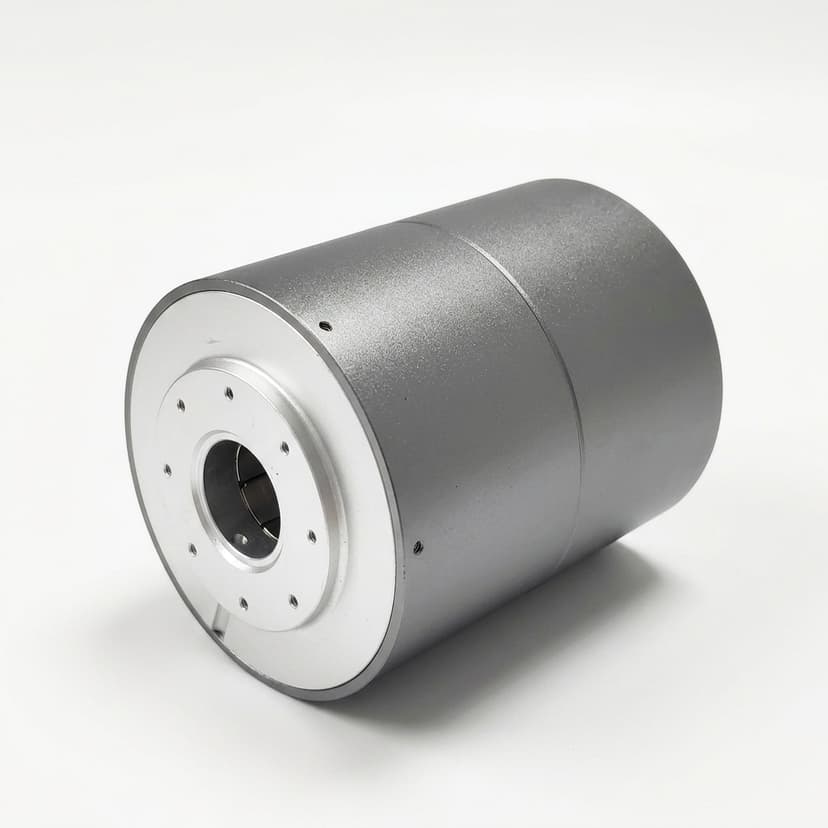
Factory Support Scope

  • Halbach rotor assembly for internal and external rotor motors.
  • Sleeve retention support using carbon fiber, titanium, or stainless options.
  • High-temperature NdFeB and SmCo sourcing.
  • Field and dimension inspection for prototype and production lots.

Application Evaluation Matrix

Evaluation MetricTypical RangeBuyer Relevance
Power DensitySet by motor topology, cooling, RPM, and rotor massPower density depends on the complete motor design, so magnet review must stay tied to stator and thermal assumptions.
Air-Gap Flux DensityReviewed at the operating air gapAir-gap flux is the useful value for torque and back-EMF, not only magnet remanence.
Maximum RPMProject-specific by OD, sleeve, and balance targetRPM and rotor diameter determine retention stress and validation requirements.

RFQ Preparation Checklist

  1. Air gap dimension and torque requirements
  2. Pole count, rotor ID/OD, length, and motor topology
  3. Maximum RPM, operating temperature, and balance grade
  4. Sleeve material preference and target back-EMF or flux density

Risk and Mitigation

  • High temp degradation: Use of SmCo or high-temp NdFeB.
  • Magnet detachment or sleeve failure: Review tip speed, sleeve material, adhesive, and balance target before sample build.
  • Unexpected cogging or torque ripple: Align pole count, magnetization pattern, air gap, and stator assumptions before quoting.

Validation Deliverables

  • Air-gap field profile or magnetic target review.
  • Rotor dimension, runout, and balance records when specified.
  • Grade, coating, sleeve, and adhesive documentation.
  • Revision-controlled drawing and inspection plan.

RFQ to Delivery Flow

  1. Send motor topology, pole count, RPM, air gap, thermal limit, and forecast.
  2. We flag retention, grade, and manufacturability risks before tooling.
  3. Prototype samples validate magnetic output and mechanical fit.
  4. Production follows the approved rotor process and inspection plan.

Recommended Products

Halbach rotor for drone motor
Halbach array in axial-flux motor
Spinning Halbach rotor assembly

Buyer FAQ

Internal or external rotor?

We manufacture both configurations.

Can you support eVTOL or drone motor rotors?

Yes. These projects usually require high-temperature grades, low-mass retention, and balance records matched to the rotor speed.

What should a BLDC rotor RFQ include?

Include motor topology, pole count, air gap, ID/OD/length, RPM, temperature, sleeve preference, and target torque or back-EMF.

Related Resources

Engineering RFQ Inbox

[email protected]

Include target torque/speed, quantity, and delivery location.

Direct Engineer Chat

WhatsApp Engineering Support

Use for drawing, specification, and RFQ clarification.