← Back to Solutions

Robotics & Actuators

Compact, high-torque assemblies for robotic joints and effectors.

Target Buyer:Robotics hardware engineers.
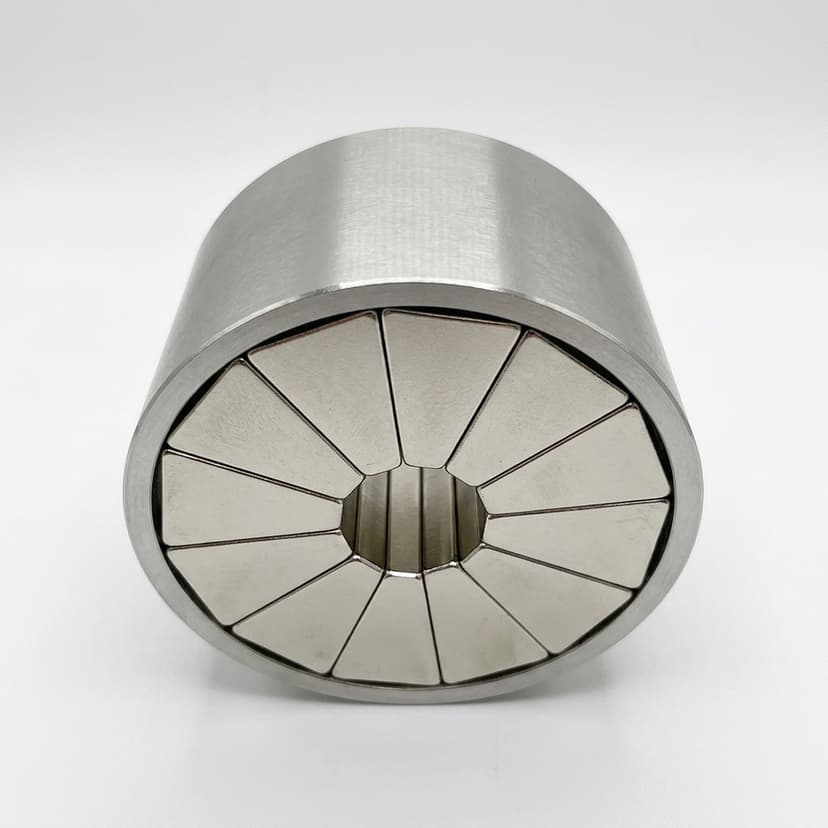
Halbach voice coil actuator

Best-Fit Application Use

Best fit for robotics teams that need high torque or force density in a tight envelope and need magnetic assemblies designed around sensors, bearings, and packaging.

Solution Highlights

  • Low weight
  • High torque constant
  • Compact sensor-aware packaging

Common Use Cases

  • Exoskeletons
  • Surgical robots
  • Compact harmonic-drive alternatives

Implementation Focus

  • Miniaturization
  • Integration with encoders
  • Thermal margin in sealed joints
  • Bearing and cable-clearance interfaces

Buyer Decision Criteria

  • Available envelope, peak torque or force, duty cycle, and thermal limit.
  • Encoder, bearing, shaft, or housing interfaces near the magnetic assembly.
  • Weight target and material restrictions.
  • Prototype validation plan for magnetic output and mechanical fit.
Factory Support Scope

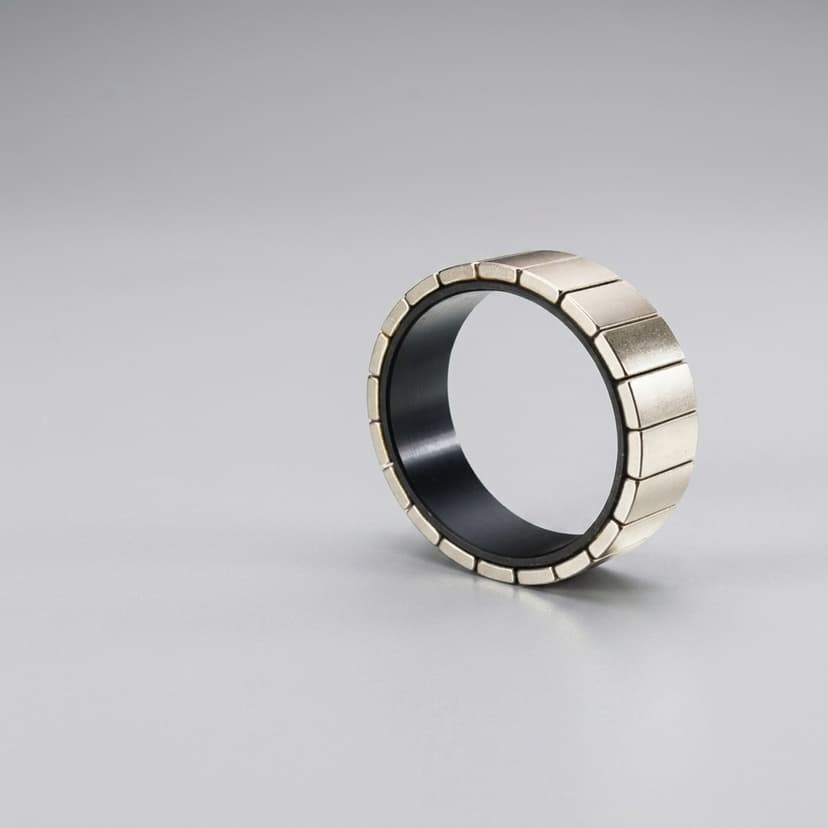
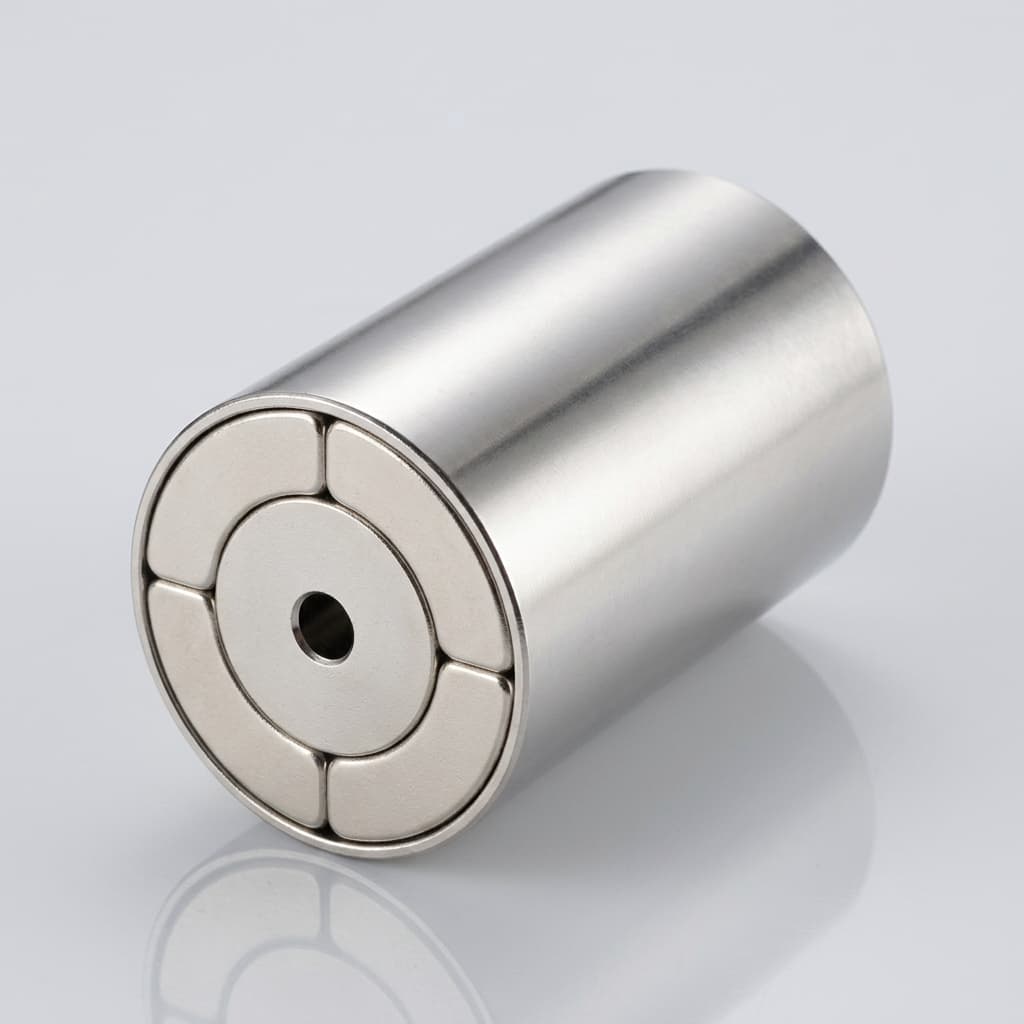
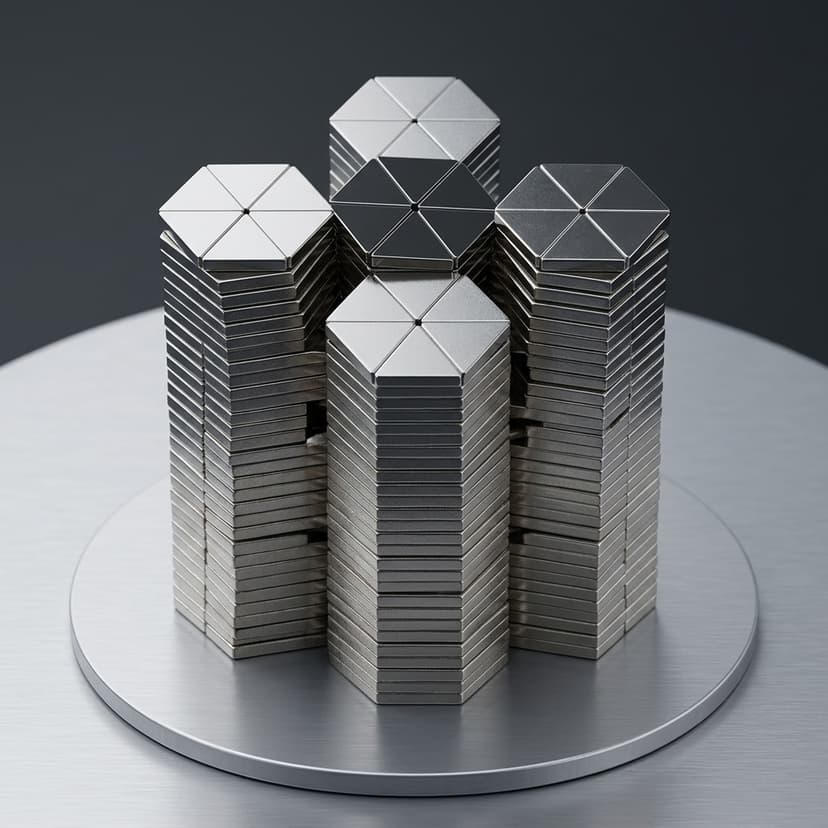
  • Compact ring, rotor, and linear array builds for actuator prototypes.
  • CNC non-magnetic carriers and sensor target mounting support.
  • High-grade NdFeB or SmCo selection by temperature and size limits.
  • Fixture-controlled assembly for repeatability in small magnetic modules.

Application Evaluation Matrix

Evaluation MetricTypical RangeBuyer Relevance
Torque/VolumeHighEnables compact joint design.
Torque/WeightProject-specific by rotor or ring topologyRobot joints often fail packaging goals before they fail magnetic strength goals.
Thermal MarginDefined by duty cycle and enclosure designCompact actuators trap heat, which can reduce magnetic output or adhesive margin.

RFQ Preparation Checklist

  1. Space envelope and peak torque
  2. Continuous torque, duty cycle, and temperature limit
  3. Encoder, bearing, shaft, and housing interfaces
  4. Weight target, material restrictions, and validation method

Risk and Mitigation

  • Assembly tolerance: Precision CNC carriers.
  • Sensor interference: Review encoder, Hall sensor, and cable positions during magnetic layout planning.
  • Overheating in compact joints: Select grade, coating, and adhesive based on continuous duty temperature rather than peak torque alone.

Validation Deliverables

  • Critical dimension and interface inspection.
  • Magnetic field profile for the defined working gap.
  • Grade, coating, and carrier material records.
  • Prototype change notes for production transfer.

RFQ to Delivery Flow

  1. Send envelope, torque or force target, sensors, duty cycle, temperature, and quantity plan.
  2. We review whether ring, rotor, planar, or custom architecture is the best starting point.
  3. Prototype samples validate fit and magnetic output.
  4. Production locks fixture, material, and inspection controls.

Recommended Products

Halbach array VCM actuator
Custom Halbach rotor assembly
Linear Halbach actuator track

Buyer FAQ

Can you integrate sensors?

We can mount sensor targets on the rotor.

Which Halbach architecture fits robotics best?

Compact rotors, rings, and custom assemblies are common; the best starting point depends on whether the joint needs torque, force, or a shaped field.

What should robotics teams send first?

Send envelope, torque or force target, duty cycle, sensor interfaces, bearing interfaces, temperature limit, and weight target.

Related Resources

Engineering RFQ Inbox

[email protected]

Include target torque/speed, quantity, and delivery location.

Direct Engineer Chat

WhatsApp Engineering Support

Use for drawing, specification, and RFQ clarification.